← Daradiant Interiors

English-speaking studio · Lisbon

Your interior designer in Lisbon, on the ground before you land

Relocating to Lisbon from London, New York or Berlin, with a two-bedroom in Lapa or Campo de Ourique already signed for? Moving into a Parque das Nações condo, or restoring your grandparents’ flat in Alvalade from abroad? Daradiant Interiors, the Lisbon studio of Dania Lima, plans, renovates and furnishes your home here, in English, with the builders handled in Portuguese.

The Ponte 25 de Abril spanning the Tejo in Lisbon, with the Cristo Rei standing on the far bank

Based in Lisbon · Portuguese, English, German

A Lisbon interior design studio that works in your language

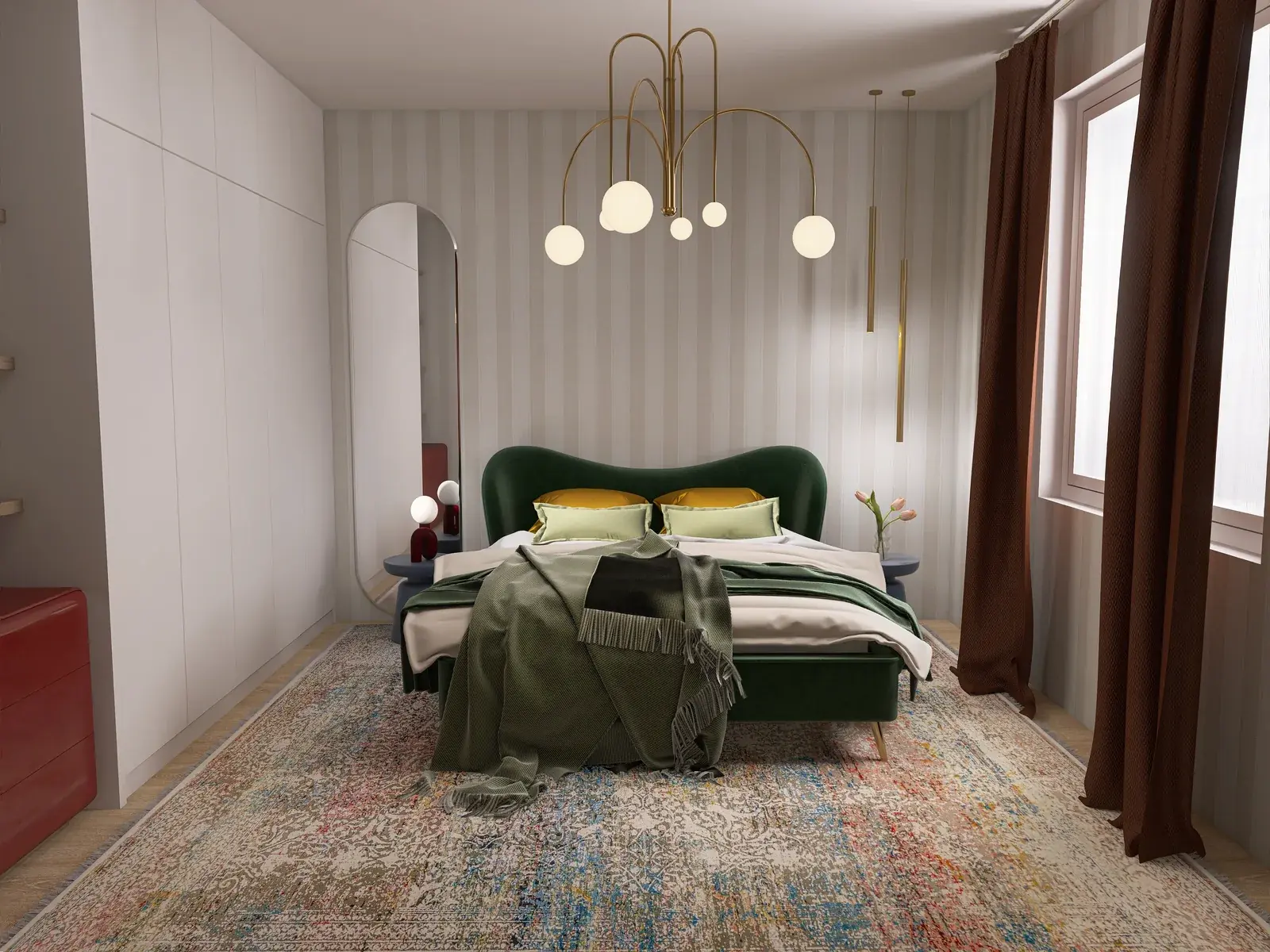
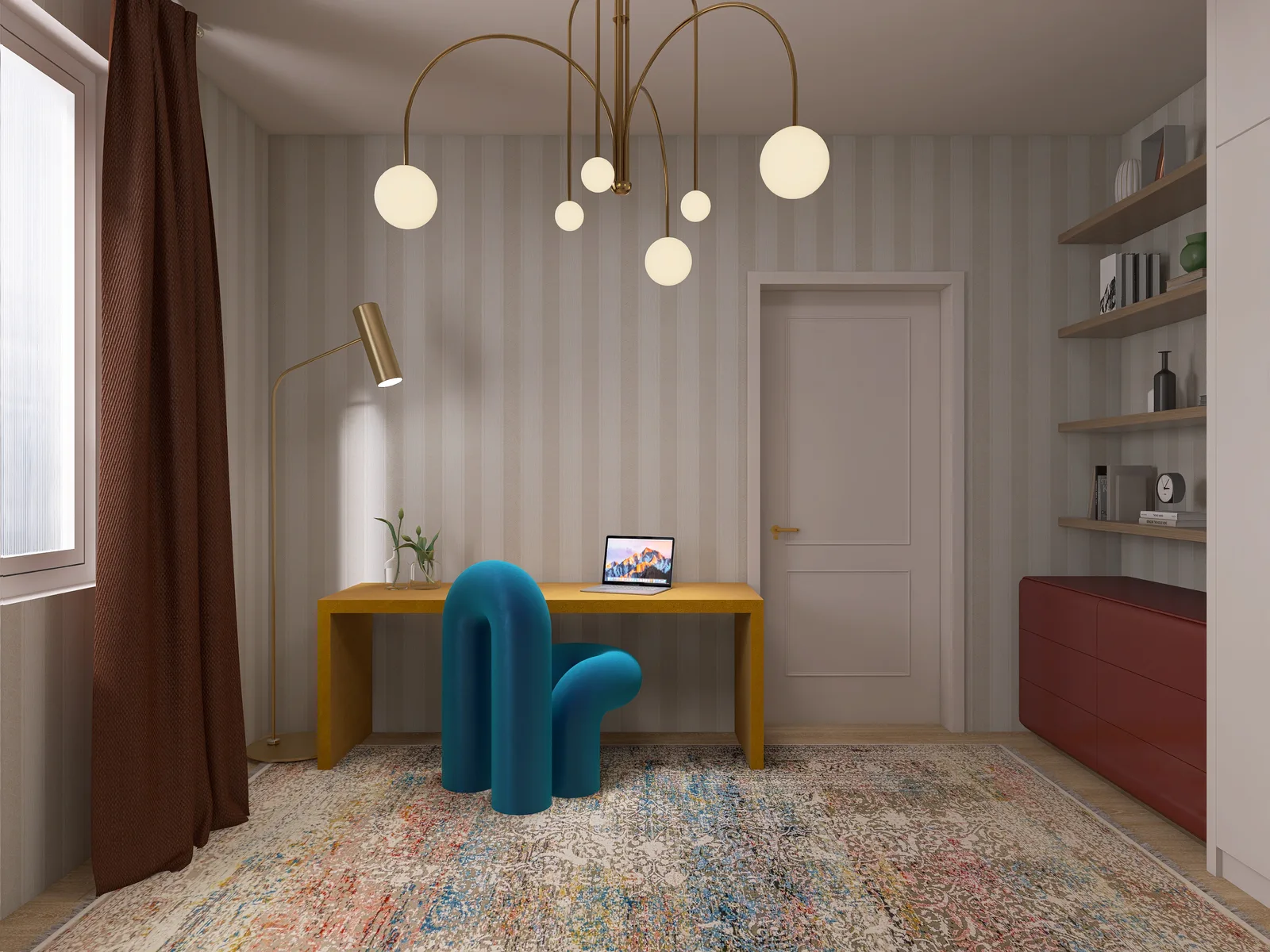
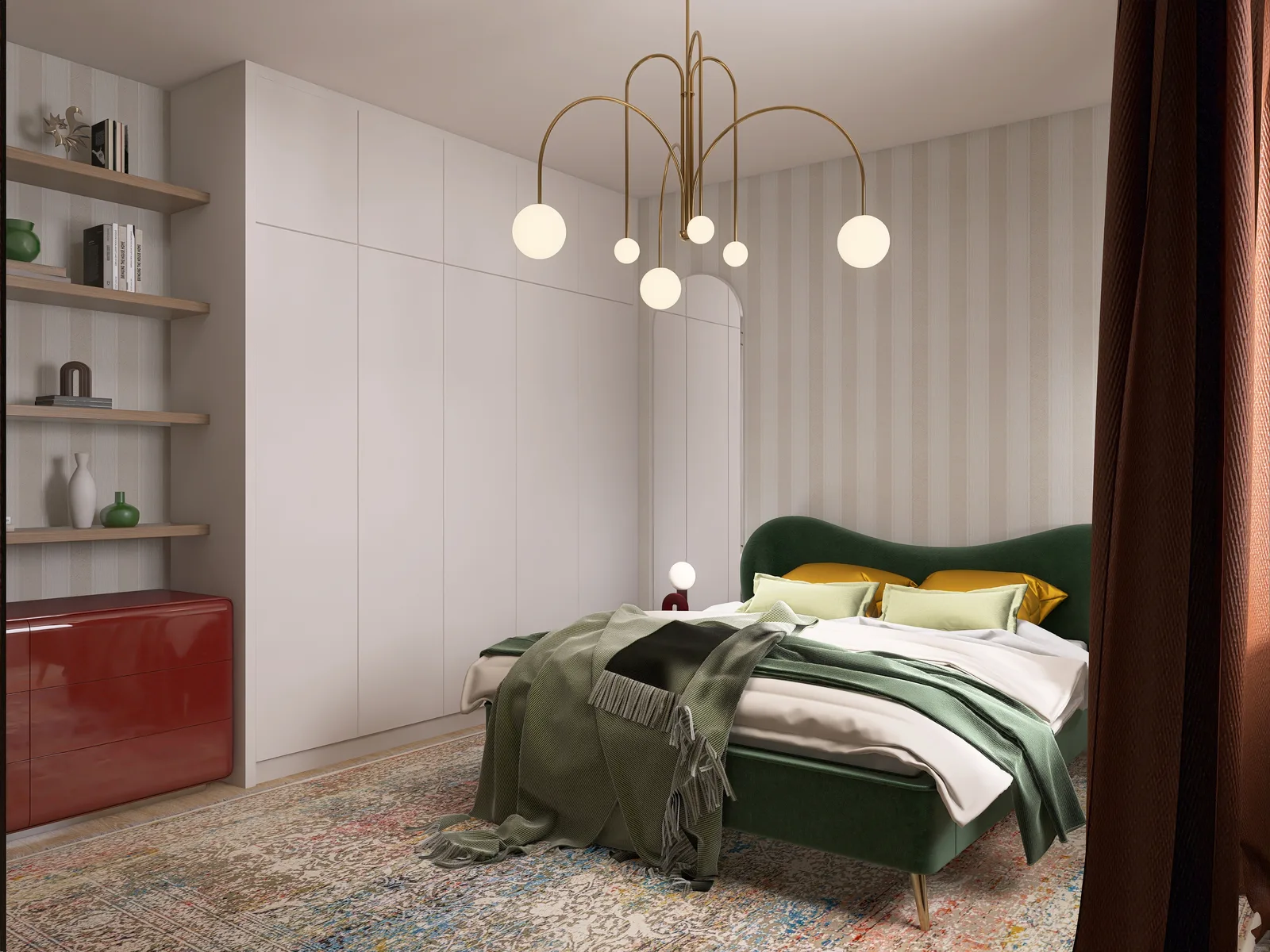
Daradiant Interiors is based in Lisbon, and Lisbon is where founder Dania Lima designed Room of Wonders, the bedroom pictured here, with its emerald velvet bed, brass lighting, mustard waterfall desk and striped wallpaper. This city is the studio’s home turf: where she measures a gaveto flat late in the afternoon to see which street the light comes from, and knows what to ask a condomínio administrator before anyone signs.

For relocators still living abroad, having your interior designer in Lisbon already on the ground changes everything. Proposal, concept and site updates come in English; contractors, joiners, suppliers and the owners’ assembly are handled in Portuguese, with German on hand for mixed households. You receive a written proposal within 24 hours, a concept phase over video, and on-site phases here for measuring, site supervision and the final styling day, documented in photos and video, so the first time you walk in, the home is finished.

  • Full-service renovation and furnishing, coordinated on the ground in Lisbon
  • Concept by video call, every decision logged in writing across the time zones between us
  • Pre-purchase walk-throughs to read structure, light and damp before you commit to a flat
  • Custom joinery drawn for tall Pombaline ceilings and awkward gaioleiro plans
  • Fully remote? Online interior design delivers concept, floor plan and shopping list wherever you are

Know your building

Reading Lisbon’s housing stock, floor by floor: from the Pombaline gaiola to an Expo condo

The city is layered century by century, and each layer sets its own rules for what a renovation can do. Listings rarely tell you which layer you are buying into. We do, ideally before the escritura.

01

Chiado, Baixa, Príncipe Real, Lapa & Estrela

After the 1755 earthquake, Baixa and Chiado were rebuilt on a timber “gaiola” cage: up to four floors over arcaded shops, high ceilings, regular façades. The internal frontal walls belong to that seismic structure, so we plan around them, not through them. In Príncipe Real, Lapa and Estrela (the embassy quarter) 19th-century palacetes bring protected façades, azulejos and tall windows worth restoring, and former servants’ quarters worth re-planning.

02

Campo de Ourique & Avenidas Novas

Campo de Ourique is consistently described as Lisbon’s calmest family neighbourhood. Its late-19th- and early-20th-century rental blocks put the back rooms on a saguão, the shared light well, so borrowed daylight and ventilation are the brief. Along Avenida da República and Avenida 5 de Outubro, gaioleiro buildings and mid-century blocks offer generous T3 and T4 floors with lifts, the classic full remodel for professionals.

03

Alvalade & Areeiro

Planned from 1945 under Faria da Costa’s Alvalade plan, these mid-rise blocks between Avenida de Roma and Praça de Londres have sound, orthogonal plans, wooden floors and marble stairs. This is the flat diaspora families inherit and restore from Toronto or Paris: keep the proportions and the parquet, replace the tired kitchen and bathroom, add storage that respects the original doors.

04

Parque das Nações, Marvila & Restelo

Post-Expo 98 condomínios around the Gare do Oriente come with pools, garages and double glazing; the job there is warmth, storage and glare control, not structure. Warehouse lofts in Marvila and Beato need acoustics and zoning for their double-height volumes. Above Belém, the fan-shaped 1940 Restelo plan holds family moradias with gardens, and interiors that often stopped in the 1970s.

Renovating from abroad

Renovating in Lisbon from abroad: permits, the condomínio and your relocation timeline

“Comunicação prévia”, “licença”, “assembleia de condóminos”, the vocabulary tends to arrive before the keys do. Here is how it works in practice for expat and diaspora owners, and how we run it for you while you are away.

  • Interior finish works normally need no municipal licence. A new kitchen, bathroom, floors, paint and joinery usually go ahead without one, and non-structural internal walls can usually come out. One exception matters in central Lisbon: if the building is classified, in the process of being classified, or inside a heritage protection zone (which covers much of the Baixa Pombalina and Chiado) a licence can be required even for conservation work. Façade, balcony, roof and structural changes always need municipal approval, a licence or a comunicação prévia; timescales changed with the 2024 Simplex Urbanístico reform, so we confirm the current framing with the Câmara Municipal and the responsible technician before anything is designed. We coordinate with the licensed architect or engineer who signs off, we never promise an approval.
  • The condomínio sets the calendar. Works touching common parts or the façade need a two-thirds vote of the owners’ assembly, and as a rule noisy works run on weekdays between 8:00 and 20:00 under the Regulamento Geral do Ruído, outside those hours a special noise licence from the câmara is needed, and the condomínio’s own rules can be stricter. We check both before building the schedule rather than discovering them in week three.
  • Trades are in high demand across Lisbon. We book early, hold buffers, and read a low bid for what it leaves out.
  • The fourth floor without a lift is a design constraint. Stairwell and doorway measurements come before any sofa is ordered; deliveries are consolidated so nothing lands in an empty flat while you are away.
  • Every decision is documented in writing, with milestone photo and video updates in English, so an evening call from New York settles the tile question before the tiler arrives in Estrela the next morning.

One more reality before you buy: residential property no longer qualifies for the Golden Visa, and the historic-centre parishes of Santa Maria Maior, Misericórdia and Santo António are absolute containment zones for new short-term rental licences. Central flats are now bought to be lived in, not let out, good news for the design, because a real home is a better brief than a rental. Our full-service interior design is built for exactly that.

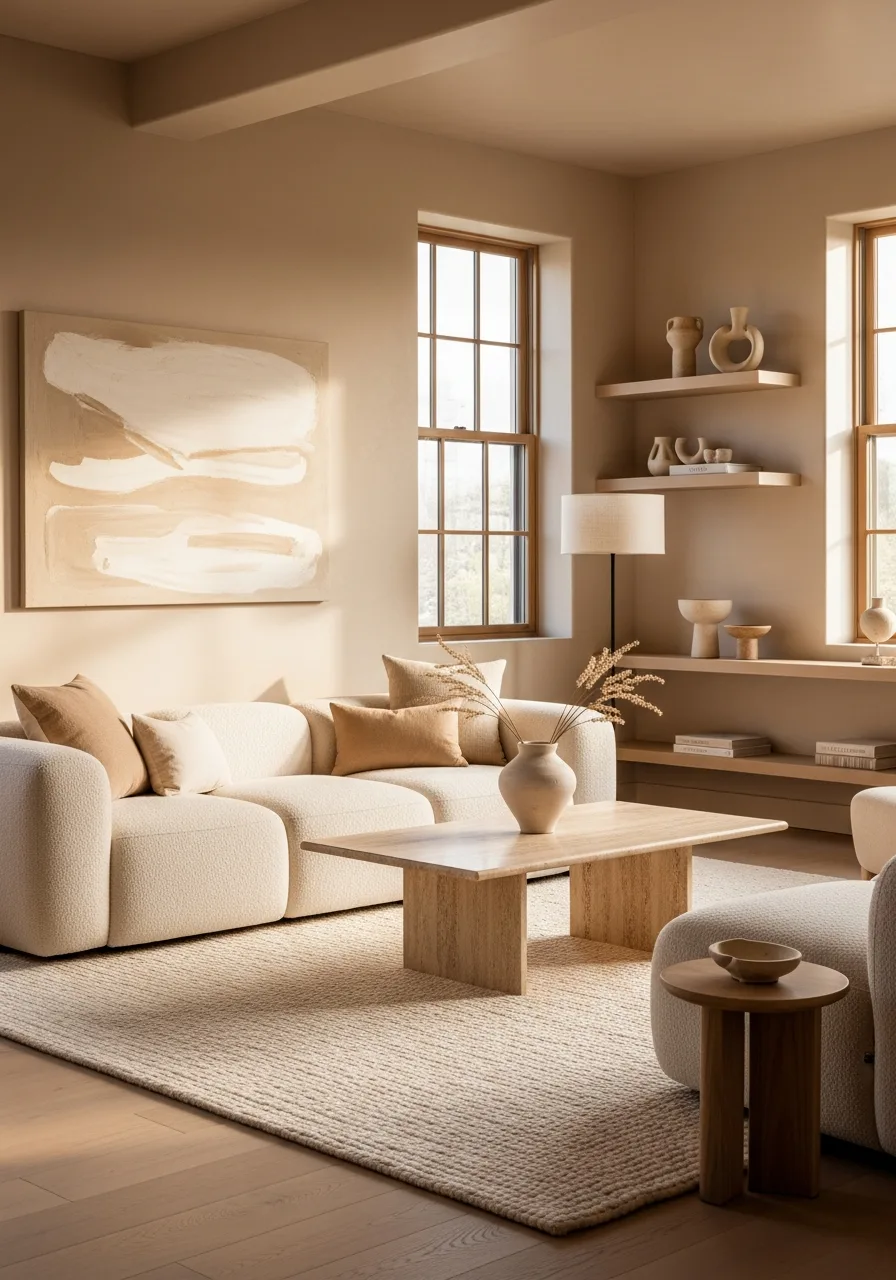
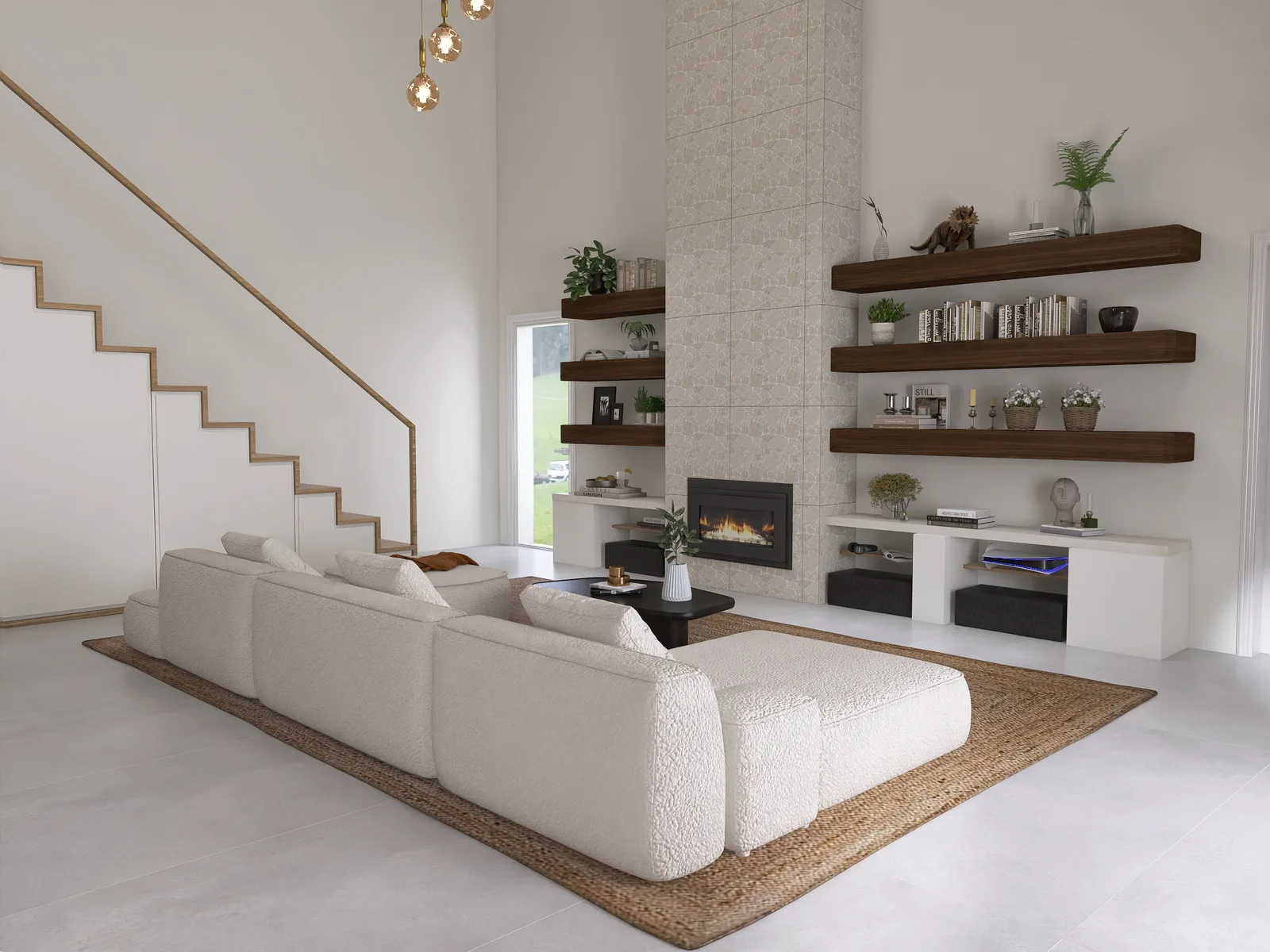
Warm living room with a cream sofa, layered textiles, a wool rug and soft afternoon light through tall windows

Light, humidity and comfort

Why Lisbon flats feel cold in winter, and how we design warmth in

Lisbon has roughly 2,875 hours of sunshine a year, yet the first winter surprises almost every newcomer. Rain concentrates between October and December, relative humidity climbs above 80% in December and January, and traditional buildings have thin, uninsulated walls and no central heating. North-facing rooms, ground floors in Alfama and Mouraria and any bedroom on a saguão are the first to show condensation.

We treat winter comfort as a design item from the concept stage, not as an afterthought once the mould appears:

  • Reversible air-conditioning or radiant heating and dehumidification, placed where the plan allows
  • Breathable lime plasters and mineral paints on old masonry instead of sealing the walls shut
  • Windows are the biggest gain, but the façade belongs to the condomínio and the câmara, so we plan interior secondary glazing and shutters where façades are protected
  • Thermally lined curtains, rugs over stone and tile, and UV-stable fabrics that stand up to the strong southern light
  • Cross-ventilation and extractor routes for kitchens and bathrooms that face light wells

In river-facing new builds (Parque das Nações, the Linha de Cascais) the problem flips to glare and west-facing heat, so external shading and robust outdoor materials matter more than damp. Everywhere, we lean on materials that age well in this light: lioz stone, oak, cork and hand-made azulejos.

Room of Wonders · Lisboa

Arrive to a finished home: sourcing and installation in Portugal

Portugal’s makers (joinery, ceramics, stone, textiles) paired with selected European brands. We handle ordering, delivery, quality checks and installation, so no single armchair arrives to an empty flat while you are on another continent. Custom joinery earns its keep in Lisbon’s awkward plans: wardrobes wrapped around chimney breasts, storage that climbs into a Pombaline ceiling. The final styling day happens before you collect the keys. See the whole Room of Wonders bedroom on our projects page.

Emerald green velvet bed with a curved headboard, golden and sage pillows, a brass multi-arm chandelier with glass globes and striped beige wallpaper, Room of Wonders, Lisboa
One hero piece sets the tone: the emerald velvet bed under a brass chandelier. Room of Wonders, Lisboa.
Bedroom workspace with a mustard yellow waterfall desk, a sculptural teal chair, a brass floor lamp and open shelves beside a glossy oxblood sideboard, Room of Wonders, Lisboa
A mustard waterfall desk turns a bedroom corner into a workplace. Room of Wonders, Lisboa.
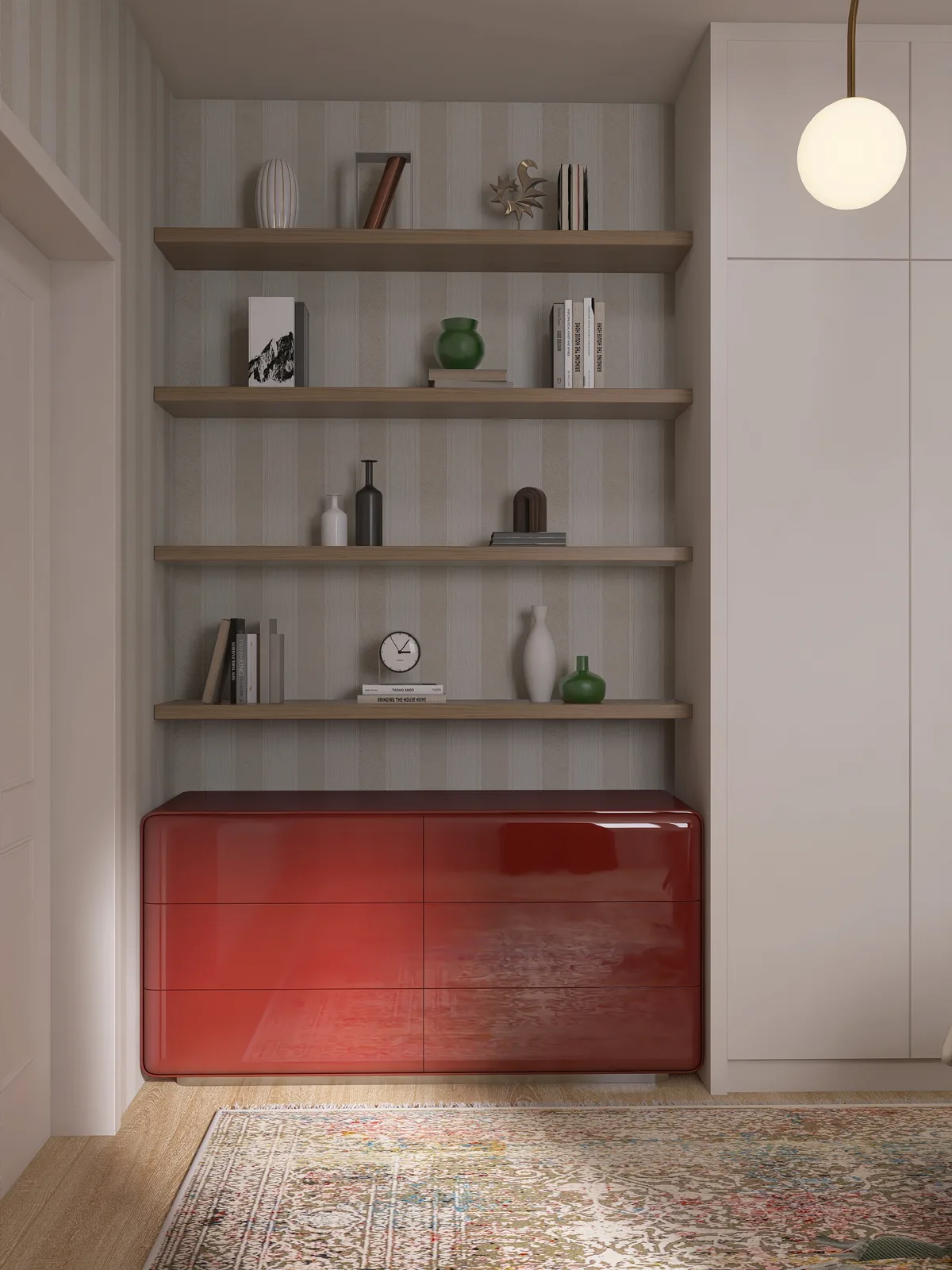
Wall niche with four wooden floating shelves styled with books, vases and a clock above a glossy oxblood six-drawer sideboard, lit by a brass globe pendant, Room of Wonders, Lisboa
Floating shelves and an oxblood sideboard fitted into a niche. Room of Wonders, Lisboa.
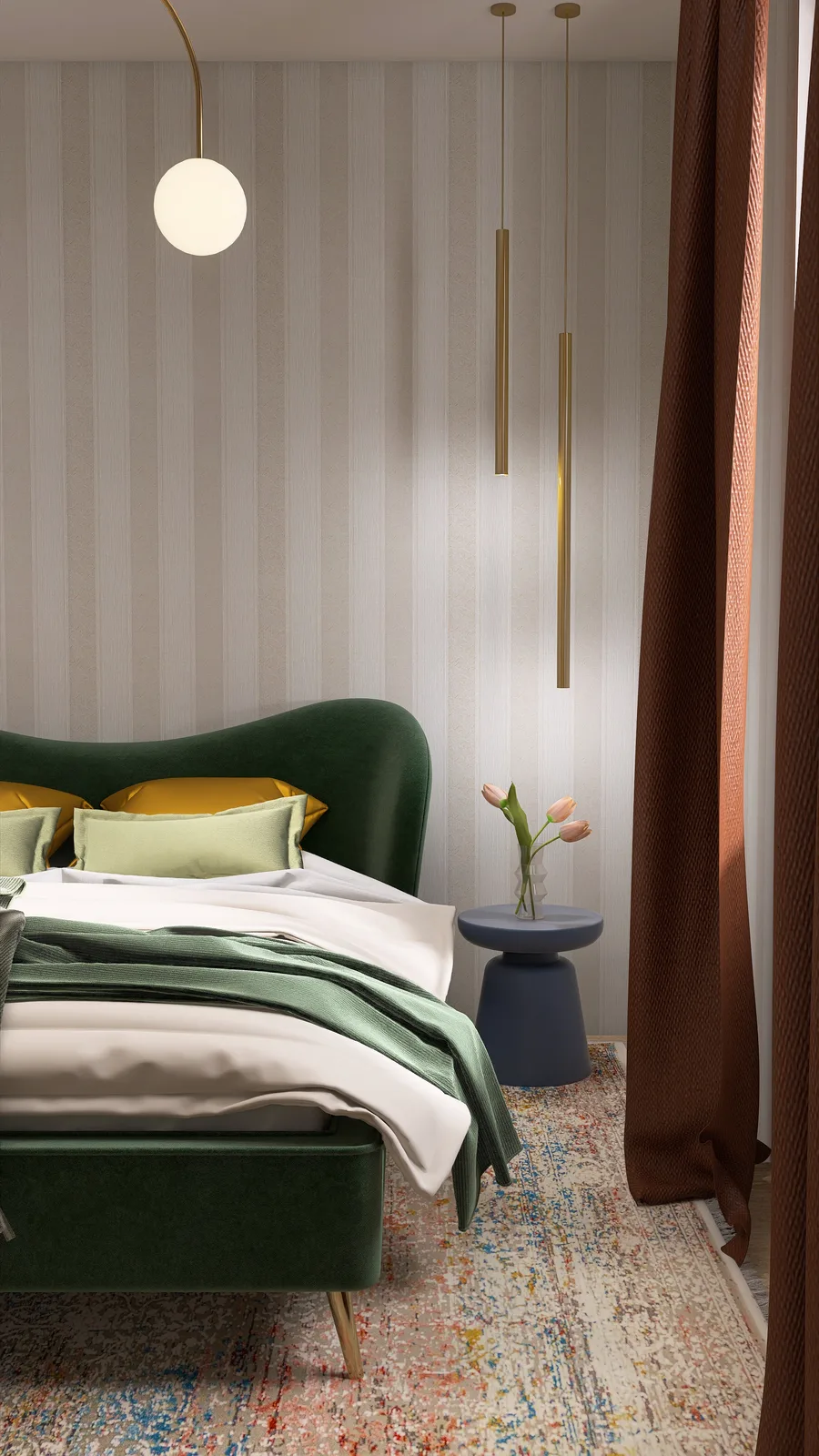
Bedside detail with a blue pedestal side table holding tulips, two slim brass pendant lights, a terracotta curtain and the emerald velvet bed, Room of Wonders, Lisboa
Terracotta curtains, brass pendants and a blue pedestal table. Room of Wonders, Lisboa.

Frequently asked questions

Hiring an interior designer in Lisbon from abroad

Can you run my Lisbon renovation while I am still abroad?

Yes. The concept phase runs over video; the on-site phases in Lisbon (measuring, site supervision and the final styling day) are ours. You receive photo and video updates at every milestone and a written log of each decision. The workflow is built so that nothing depends on you being here, you can walk into the finished home on handover day. For a fully remote project, our online interior design service delivers concept, floor plan and shopping list wherever you are.

Do I need a permit to renovate an apartment in Lisbon?

Normally not for interior finish works such as a new kitchen, bathroom, floors, paint or joinery. One exception matters in central Lisbon: if the building is classified, in the process of being classified, or inside a heritage protection zone (much of the Baixa Pombalina and Chiado) a licence can be required even for conservation work. Changes to the façade, balconies, roof or structure always need municipal approval, a licence or a comunicação prévia; timescales changed with the 2024 Simplex Urbanístico reform, so we confirm the current framing with the Câmara before we build a schedule. Works on common parts need a two-thirds vote of the condomínio assembly. We coordinate with the responsible architect or engineer, but we are not the licensing authority and never promise an approval.

How much does an interior designer cost in Lisbon?

It depends on the size of the flat and the scope, from furnishing a Parque das Nações condo to fully renovating a Pombaline floor. That is why we work with a free, phased and transparent proposal: you see what each stage covers before you commit, and you receive it within 24 hours. For a first opinion before you make an offer, the 1:1 Design Call with Dania Lima costs €99 for 60 minutes on Google Meet.

What do T2 and T3 mean in a Lisbon listing?

The T number counts bedrooms, not rooms: a T2 has two bedrooms, a T3 three. T0 and T1 studios cluster in the historic centre, T2 is the standard family purchase in Campo de Ourique or Alvalade, and the larger T3 and T4 floors sit in the Avenidas Novas and Parque das Nações. Square metres vary enormously within the same T, so we always ask for the floor plan before commenting on a listing.

Why are Lisbon apartments so cold and damp in winter, and can design fix it?

Traditional buildings have thin, uninsulated walls and no central heating, and relative humidity rises above 80% in December and January; renovated stock often has heating, older flats usually do not. Design helps a great deal: reversible air-conditioning or radiant heating, dehumidification, breathable lime plasters, lined curtains, rugs over stone floors and proper ventilation for rooms on a light well. Windows bring the biggest gain where façade rules allow. We plan comfort; we do not promise a fully insulated building.

Can I open up the floor plan of a Pombaline or gaioleiro flat?

Only where the walls are not structural. In a Pombaline building the internal frontal walls are part of the timber gaiola (the seismic cage that holds the block up) so they stay. Gaioleiro floors rest on masonry walls that may also be load-bearing. An engineer assesses the structure before we draw anything; very often the answer is wider openings or glazed partitions rather than removing walls.

Do you also furnish new-build condos, for example in Parque das Nações?

Yes. Post-Expo 98 condomínios rarely need structural work; what they need is warmth, storage and light control. We plan furniture, lighting, textiles, window treatments and custom joinery, then manage ordering, delivery and installation so the flat is ready the day you arrive. Developer finishes can be softened without touching a wall, and west-facing balconies get shading that copes with the afternoon sun.

Which areas around Lisbon do you cover?

The city itself, the Linha de Cascais from Algés to Cascais and Estoril, Sintra, Loures and Odivelas, and the south bank of the Tejo: Almada, Costa da Caparica, Seixal and Setúbal. For Central Portugal, from Leiria and Pombal to Coimbra, Figueira da Foz and Aveiro, on-site visits are planned into the process. Anywhere else in Portugal or abroad, our online interior design service applies.


Beyond the city limits

Lisbon, Cascais, Sintra and the south bank

As an interior designer in Lisbon, the studio covers the city between the Castelo de São Jorge and the Ponte Vasco da Gama, but the brief often lands a little further out: a house with a garden along the Linha de Cascais (Algés, Oeiras, Carcavelos, Parede, Estoril, Cascais) a quinta in the Sintra hills, a family flat in Loures or Odivelas, or a terrace apartment across the Tejo in Almada, Costa da Caparica, Seixal or Setúbal.

Buyers heading north into Central Portugal (a short drive up the A1 or A8) find dedicated pages for Leiria, Pombal, Coimbra, Figueira da Foz and Aveiro, where on-site visits are part of the process. Households split between Portugal and Germany can read how the studio works in North Rhine-Westphalia on our Düsseldorf page. For the Algarve, Porto or a home outside Portugal, online interior design travels with you; if you are unsure where to start, a single design consultation is often the right first step.

From the journal

Guides for homes in Lisbon

Your Lisbon home, finished before you land

Send us the listing or the floor plan, your arrival date and what the flat should feel like. We reply within 24 hours, in English, with a free and transparent proposal. Want a quick sanity check on the flat first? Book a €99 1:1 Design Call with Dania.

Request your free proposal →